High-Density Polyethylene also referred to as HDPE is one of the most recyclable plastics in our everyday lives. Like the milk jugs, the detergent bottles, this all-purpose material is all around us. The knowledge of HDPE recycling would assist us in making better environmental decisions and it will lead to the cleaner future of our communities.
This is the ultimate guide to all you need to know about HDPE plastic recycling, its advantages and how you could join in this very crucial environmental activity.
The knowledge of HDPE and its significance.
HDPE is one of the most widespread plastics. It will be in water bottles, shampoo containers, grocery bags, and a myriad of household products. This plastic is the one with a printing of the triangle symbol which has the number 2 in recycling.
The material has superior strength and chemical impact. These are the characteristics that have rendered it ideal in wrapping foods, beverages, and household chemicals. What is more important though is that HDPE retains its quality even after a number of recycling processes and therefore it is an environmental champion of the plastics.
What Makes HDPE Special?
HDPE is not similar to other plastics in a number of aspects. Its molecular structure gives it a powerful, light material that does not retain moisture and chemicals. However, HDPE has a long lifespan of years as opposed to other plastics that break down easily.
The material is not toxic to food as far as it does not seep harmful chemicals in contents. This is the reason why manufacturers have chosen HDPE to use in milk containers and juice bottles. Recycled HDPE does not lose these useful properties when converted into new products.
Dubai Recycling Company: Green Revolution Shakers.
Dubai has become a Middle East sustainability leader. A number of organizations strive hard to handle plastic wastes. In Dubai, a special recycling firm manages thousands of tons of HDPE each year recycling waste into useful resources.
These firms have high-level sorting and processing technologies. They segregate HDPE, purify the substance and it is ready to transform it.The process ensures that recycled HDPE meets the required quality for producing new goods.
The HDPE Process of Recycling Explained.
The process of used bottle to recycled product goes through a number of steps. To begin with, collection centers collect HDPE products at home, businesses and collection points. These materials are then sorted by workers to extract the contaminants and non HDPE plastics.
Then there is the cleaning stage. Washers used in industries take off labels, adhesives and residues. Clean HDPE then passes through shredding machines which cut it into tiny flakes. Such flakes are then cleaned and dried further and processed.
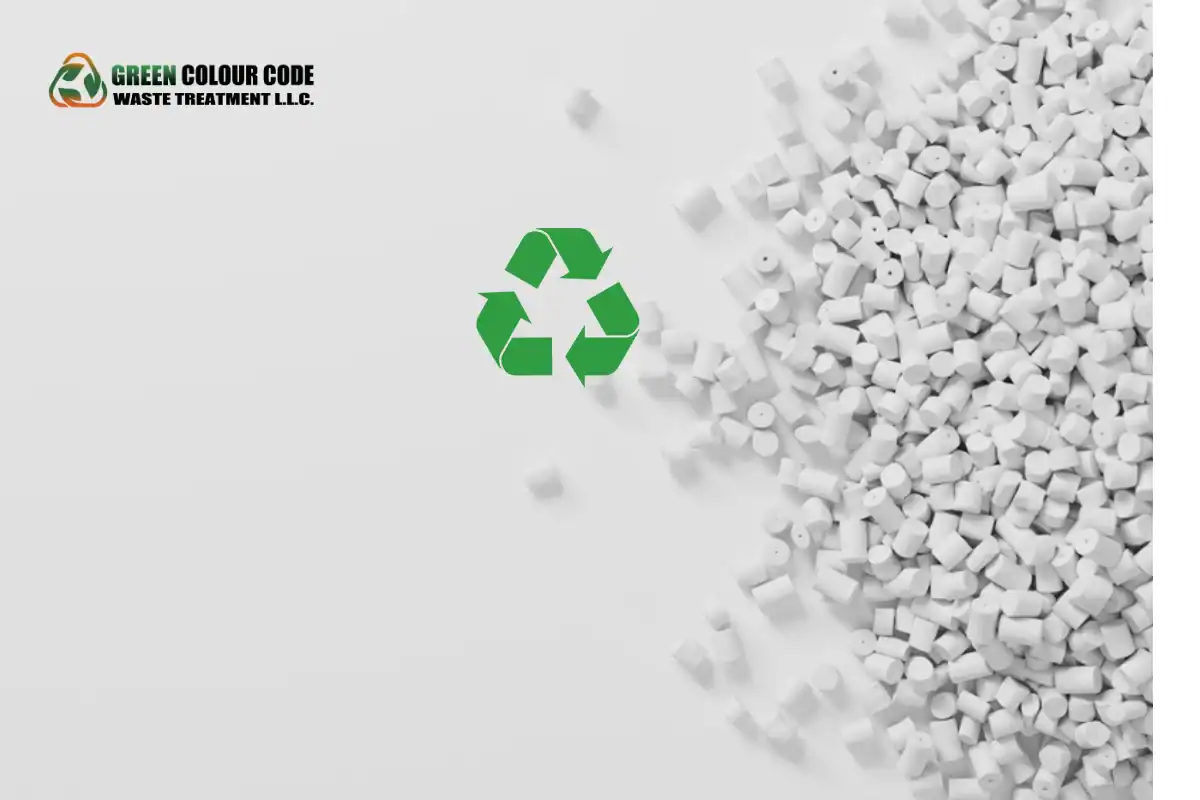
At last, the melting of the flakes occurs, and they become pellets. These pellets are bought by manufacturers to produce new HDPE products. Every recycling company in Dubai follows this circular economy approach that minimizes the demand of virgin plastic production and saves natural resources.
Is HDPE Recyclable? Absolutely Yes!
The question that many people put is whether HDPE is recyclable or not? The response to this is a resounding yes. HDPE is one of the most widely recycled plastics in the world. Recycling plants readily accept HDPE because it is easy to process and does not reduce product quality.
The symbol 2 in the recycling signifies the recycling of HDPE. HDPE containers are accepted by most of the curbside recycling programs. The chemical structure of the plastic is stable, and therefore, the plastic can resist recycling processes without much degradation.
Advantages of HDPE Plastic Recycling.
HDPE plastic recycling offers several environmental and economic benefits. First, it significantly reduces landfill waste. Recycling just one milk jug saves enough energy to power a laptop for several hours.
Recycling of HDPE saves the petroleum resources. Production of virgin HDPE consumes crude oil whereas recycling consumes 88 percent less energy. This energy conservation will be in terms of decreased carbon emissions and decreased environmental footprint.
The recycling process also creates economic opportunities. Recycling plants generate jobs in collection, sorting, and processing. Manufacturers can buy recycled HDPE pellets at a lower cost than virgin plastic.
HDPE Recycling in my locality: Local Solutions.
When you enter the search query HDPE recycling near me, you connect with local recycling facilities. Most communities offer multiple options for recycling HDPE products. Many municipal recycling programs also accept HDPE through curbside pickup.
There are numerous supermarkets and other retail contacts that have plastic bag and container collection bins. Recycling is also available to everybody due to these convenient drop points. Enquire of local waste management authorities on local guidelines.
Recycling of Plastic Bags Dubai: Special Considerations.
Plastic bags recycling in Dubai has special opportunities and challenges. Rigid containers are not handled like HDPE bags. Most recycling facilities do not want bags mixed with other types of plastics in order to avoid jamming of the processing equipment.
Dubai has a number of supermarkets with plastic bag collection programs. These are exclusively aimed at HDPE shopping bags, produce bags, etc. thin-film plastics. The participants simply dispose clean, dry bags in special bins when acquiring their usual shopping.
Special recycling procedures are done on the gathered bags. The sophisticated plants turn them into composite lumber, new bags, and other plastic items. This is a specific strategy that would maximize the recovery of HDPE in bag waste.
Recycle of HDPE in UAE: A National Initiative.
HDPE recycling in the UAE reflects the country’s commitment to environmental sustainability. The government encourages businesses and residents to participate in recycling programs. The UAE aims to recycle plastic waste on a large scale and reduce its dependence on landfills.
Large metropolitan areas have developed advanced recycling systems to handle growing volumes of plastic waste. Educational campaigns raise awareness about proper sorting and preparation of recyclables. These initiatives help build a strong culture of environmental responsibility across the Emirates.
How You Can Contribute
All people contribute to effective recycling of HDPE. Begin by locating HDPE products in your house. Find a number 2 recycling label on containers. Before recycling, rinse containers and bottles (to remove food residue).
You can remove caps and lids because they often use different types of plastic. You can also flatten bottles to save space in recycling containers. Wash HDPE products with dry cleaning solutions to retain their importance as recyclable products.
Encourage industry to use HDPE that is recycled. The fact that you buy products makes manufacturers go green. Spread information on recycling to family and friends to increase the positive influence.
Typical HDPE Products that are recyclable.
Knowing what to put in the HDPE recycles better. Bottles of milk and juices are the highest recyclable HDPE products. This is a versatile plastic in use in detergent and cleaning product containers as well.
Personal care products: bottles of personal care products such as shampoo bottles, conditioners, etc. usually incorporate HDPE. This recyclable plastic appears on many containers of food, especially yogurt and butter. Groceries have shopping bags that are usually made of thin HDPE film.
Manufacturers commonly use HDPE in toys, outdoor furniture, and children’s storage containers. This durable plastic also appears in certain types of pipes and building materials. Identifying these items helps you maximize your recycling efforts.
What Cannot Be Recycled as HDPE.
Not every plastic containing recycling symbols can process. HDPE should not be confused with other types of plastics. Polluted objects with too much food may have to be handled or disposed of differently.
Plastic bag that contains chemicals or other dangerous materials should be disposed of separately. Pieces or fragmented HDPE products may not be in compliance with recycling facilities. In case of doubts, call your local recycling company in Dubai and ask to get some instructions about certain items.
The Future of HDPE Recycling
Innovators are advancing HDPE recycling technology to drive continuous improvement. New processing methods increase efficiency and reduce energy consumption.The advanced sorting systems apply the artificial intelligence to determine and separate plastics with greater precision.
The technique of chemical recycling is a new frontier. The technology decomposes HDPE to molecular components. HDPE can be recycled indefinitely without deterioration. These developments are promising for the sustainability of plastic.
The manufacturers are increasingly designing products in a recycling kind of manner. Packaging made simpler using simple types of plastics is easier to recycle. Such design and enhancement will increase HDPE recovery rates tremendously.
Making HDPE Recycling Part of Your Routine
Incorporating recycling into daily life requires minimal effort. Set up a dedicated recycling bin in your home for HDPE items. Teach children about recycling to build lifelong environmental awareness.
Plan regular trips to recycling centers or utilize curbside pickup services. Many communities offer convenient scheduling options that fit busy lifestyles. Supporting plastic bag recycling Dubai programs during grocery shopping makes participation effortless.
Stay informed about local recycling initiatives and changes to accepted materials. Join community clean-up events that often include recycling education components. Your active participation strengthens community recycling programs and environmental outcomes.
Frequently Asked Questions About HDPE Recycling
Q1: What is the number of times that HDPE can be recycled?
Recyclers can typically recycle HDPE 10 or more times without losing its valuable properties. Its molecular structure remains relatively stable through multiple recycling processes, unlike some other plastics that degrade quickly.
Q2: Is it good that I take labels off HDPE bottles and then recycle them?
Most recycling plants today can process labels. However, removing labels that come off easily makes the recycling process more efficient. Always clean containers, whether you remove the labels or not.
Q3: Is it possible to recycle colored HDPE bottles?
HDPE is a recyclable plastic available in different colors. Recycling facilities sort plastics by color and sometimes apply separate labels for processing. Clear HDPE often has a higher value, but recyclers can recycle and profit from all colors.
Q4: What is the fate of recycled products of HDPE?
Manufacturers use recycled HDPE to produce many products, including new bottles, plastic lumber, drainage pipes, flower pots, trash bins, and park benches. Some companies even recycle HDPE into new shopping bags, creating a circular life cycle.
Q5: Does recycled HDPE contain food-safe qualities?
Properly processed recycled HDPE is food safe. Regulatory agencies approve food-grade recycled HDPE after thorough testing. Many food manufacturers use containers made from recycled materials. They support sustainability and maintain strict safety standards.