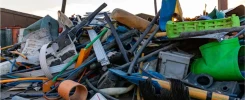
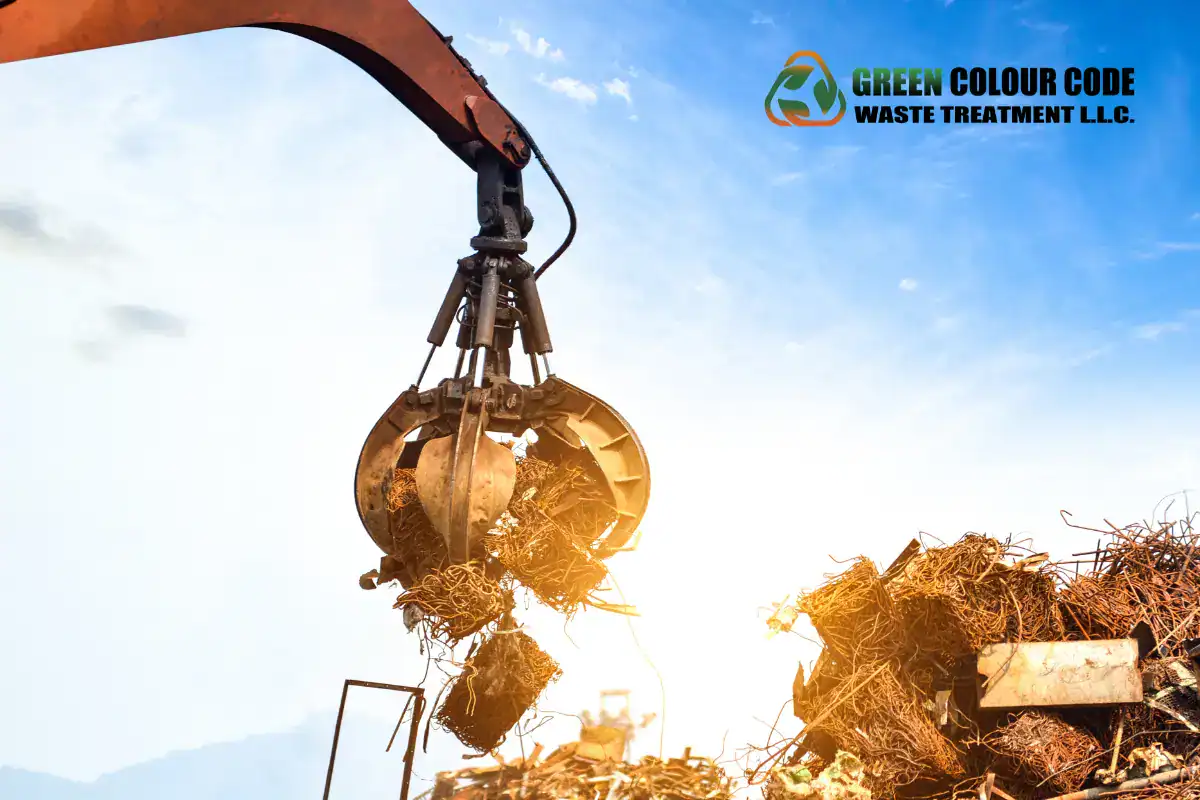
Let me be honest with you. Most people in Dubai do not think about metal recycling until it becomes a problem. A construction site piles up with steel offcuts. A factory floor fills with old copper wire. A warehouse has machines that stopped working two years ago. And nobody quite knows what to do with any of it.
Here is the thing though — all of that scrap metal has real value. You do not need to let it sit there. You do not need to send it to landfill. Metal recycling in Dubai is a proper, well-organised industry, and the right recycling partner will come to your site, collect everything, and make sure it gets processed the right way. compa
This guide is for anyone who wants to understand how metal recycling in Dubai actually works. We will cover what metals you can recycle, what happens to them, why it matters financially and environmentally, and how to pick the right company to work with. No jargon. Just straight answers.
What Does Metal Recycling Actually Mean?
Metal recycling simply means collecting old or used metal, cleaning it up, melting it down, and turning it into raw material that manufacturers can use again. That is it. Instead of digging up new metal from the ground, which is messy, expensive, and harms ecosystems — factories use recycled metal to make new things.
Think about it this way. The steel in a new building in Business Bay might have come from an old ship that was broken down somewhere. The aluminium in your office’s air conditioning unit might be recycled from drink cans collected months ago. Metal keeps going round and round. It never really runs out. It just needs someone to collect it, process it, and put it back into the system.
That is exactly what recycling company in Dubai do. And with the city growing as fast as it is, the demand for this kind of service has never been higher.
Which Metals Can You Recycle in Dubai?
The short answer is: most of them. Metals fall into two groups, and both groups are fully recyclable.
Ferrous Metals — The Heavy Stuff
Ferrous metals are metals that contain iron. They are magnetic, which is actually really useful because it makes sorting them much easier at a recycling facility. If you have ever seen one of those giant crane magnets in a scrapyard, that is exactly what they use to separate ferrous metals from everything else.
Common ferrous metals you might have on a job site or in a warehouse include:
• Steel beams, rebar, and pipes from construction
• Old industrial machinery and equipment
• Car bodies and vehicle parts
• Iron gates, railings, shelving units
Non-Ferrous Metals — The Valuable Ones
Non-ferrous metals do not have iron in them. They are lighter, they do not rust the same way, and this is the important part they are worth more money. If you have copper wire or aluminium frames sitting around, those are genuinely valuable materials that a good recycling company will pay you for.
• Copper: electrical cables, plumbing pipes, wiring
• Aluminium: window frames, air conditioning units, drink cans
How Does the Metal Recycling Process Work?
A lot of people picture a recycling facility as a chaotic scrapyard. It is actually much more organised than that. Here is what genuinely happens from the moment you call for a collection to the moment the metal becomes something new.
We Come and Collect It
You do not need to bring anything to us. Green Colour Code sends a team to your location — whether that is a construction site in Al Quoz, a factory in Jebel Ali, or a villa in Jumeirah. We sort it, load it, and take it away. Simple.
Sorting at the Facility
Back at the facility, workers and machines sort the metal by type. Magnets pull out the ferrous metals. Sensors and experienced staff identify copper, aluminium, and brass. Getting this step right matters a lot — mixed metals are worth less and harder to process.
Shredding
Big pieces of metal go into industrial shredders. This breaks everything into smaller chunks, which makes the next step — melting far more efficient. It also strips away any plastic, rubber, or other non-metal materials that might be attached.
Melting and Cleaning
The shredded metal goes into a furnace. Each metal type has its own furnace because they all melt at different temperatures. Once melted, the liquid metal gets purified to remove any remaining dirt or impurities. What comes out is clean, high-quality metal as good as anything freshly mined.
Back Into the Market
The purified metal cools into bars, sheets, or rolls. Manufacturers buy it and use it to make new products new pipes, new wires, new building materials. The cycle starts again. Your old scrap becomes someone else’s brand new product.
The Real Advantages of Recycling Metals — Not Just for the Planet
People often assume the advantages of recycling metals are only about being green. That is not the full picture. There are very practical, financial reasons why businesses in Dubai are making metal recycling a standard part of how they operate.
You Can Actually Make Money from Scrap
This surprises a lot of people. Copper, aluminium, and brass are valuable. If you generate these materials regularly — through manufacturing, construction, or even routine maintenance — a good recycling partner will buy them from you. That is money coming back into your business instead of going out for disposal fees.
It Keeps You Compliant with Dubai Municipality Rules
Dubai has strict rules about waste. You cannot just pile up scrap metal and leave it. You need to use a licensed contractor to handle it properly. Fines for non-compliance can reach AED 50,000 or more. Working with a certified recycling company in Dubai keeps you on the right side of the law — and gives you the documentation to prove it.
It Cuts Your Energy Bill — Indirectly
One of the biggest advantages of recycling metals is how much energy it saves in the broader supply chain. Recycling aluminium, for example, uses about 95% less energy than producing new aluminium from scratch. That reduction in energy demand lowers carbon emissions globally — and supports the UAE’s Net Zero 2050 goals, which increasingly affects what clients and investors expect from businesses here.
Less Pressure on Landfill
Dubai wants zero waste going to landfill by 2030. Metal that ends up in landfill sits there for hundreds of years. It does not break down. It just takes up space and slowly leaches chemicals into the soil. When you recycle your metal instead, you are directly helping the city hit its own targets — and keeping your business aligned with where regulation is heading.
Who in Dubai Actually Has Metal to Recycle?
More people than you might think. Metal recycling in Dubai is not just for big industrial companies. Here are some of the most common types of businesses and individuals we work with:
• Construction companies with leftover steel, rebar, pipes, and copper offcuts from fit-outs and builds
• Factories and manufacturing plants with metal offcuts and broken equipment
• Hotels replacing old kitchen equipment, air conditioning units, or boilers
• Car workshops with end-of-life parts, batteries, and vehicle frames
• Offices and IT companies with old servers, computer racks, and hardware — for which our E Waste Recycling service is also available
• Residents clearing out old appliances, garden furniture, or air conditioners during home renovations
How Green Colour Code Is Different from Other Metal Recycling Companies in Dubai
There are a number of metal recycling companies in Dubai to choose from. Some operators, like GTC Metal Recycling LLC, have been active in the scrap trading space for a while. And to be fair, GTC Metal Recycling LLC and similar businesses fill a genuine role in the market.
But here is the difference with Green Colour Code. We are not just a scrap trader. We are a full waste management partner. We handle metal alongside plastics, glass, textiles, e-waste, wood, organic waste, and more. That means if your business generates different types of waste — which most businesses do — you deal with one company, not five.
We are also fully certified and compliant with all Dubai Municipality requirements. Every collection comes with proper documentation. You get a clear paper trail for every load we collect, which matters enormously if your business ever faces an inspection or needs to report on its environmental performance. When you compare us to other metal recycling companies, ask the simple question: can they give you full documentation for every collection? We can.
We also connect metal recycling with other services. If your team is clearing out old IT equipment alongside scrap metal, for example, we handle both. Our E Waste Recycling service covers everything from laptops to servers — all processed responsibly and with full chain-of-custody records. And as a trusted recycling company in Dubai with 500+ active clients, we know what businesses actually need on the ground.
How to Start Recycling Your Scrap Metal with Green Colour Code
We have made the process as easy as possible because we know your team is already busy. Here is all you need to do:
• Call us or send an email and describe what metal you have and roughly how much
• We will give you a quick quote and schedule a site visit if needed
• We come to your location at a time that works for you
• We collect everything, handle the paperwork, and send you full documentation
That is it. No complicated forms. No back-and-forth. Just a clean, sorted, documented collection that leaves your site clear and your records straight.
Ready to Clear Your Scrap and Do It the Right Way?
Metal recycling in Dubai does not have to be complicated. You have got scrap. We have got the team, the facility, and the paperwork to handle it properly. Whether you are a contractor finishing a big project, a factory manager with a pile of copper offcuts, or a homeowner clearing out a storage room, we can help.
The advantages of recycling metals are real — for your budget, for your compliance record, and for the city we all live and work in. Green Colour Code has been doing this work in Dubai for years, and we do it the right way every single time.
Pick up the phone. Send us an email. Tell us what you have got and we will take it from there.
FAQs
Q1. Can a regular resident recycle scrap metal, or is this only for companies?
Anyone can recycle scrap metal in Dubai. If you are a homeowner with an old washing machine, broken air conditioning unit, or metal bed frame, just give us a call. We collect from residential locations too.
Q2. Which metals are worth the most when you bring them in?
Copper is generally the most valuable scrap metal you can bring in. After that, aluminium and brass both fetch good prices. The cleaner and better-sorted your metal is, the more it is worth. Mixed or contaminated loads always get lower rates because they take more time to sort and process.
Q3. Do businesses in Dubai have to recycle their scrap metal by law?
You have to use a Dubai Municipality licensed contractor to collect your waste — including scrap metal. You cannot dump it, store it illegally, or hand it to an unlicensed collector. While there is no law that says specifically ‘you must recycle,’ the rules around proper disposal mean that working with a certified recycling company in Dubai is effectively required.
Q4. What if my scrap metal still has plastic or rubber attached to it?
Do not worry about that. Insulated copper wire, for example, has a plastic coating. Machines during the processing stage strip that away. Most composite metal items are fine to hand over as they are. If you have something unusual — like an item with chemicals or hazardous components attached — just tell us in advance and we will advise you on the right approach.
Q5. Can Green Colour Code handle both metal recycling and E Waste Recycling at the same time?
Yes, absolutely. A lot of our clients have both metal scrap and electronic waste sitting in the same space — old servers next to copper cable, or broken machinery alongside obsolete IT equipment. We handle all of it. Our E Waste Recycling service runs alongside our metal service, and you get one collection, one set of documents, and one invoice.