
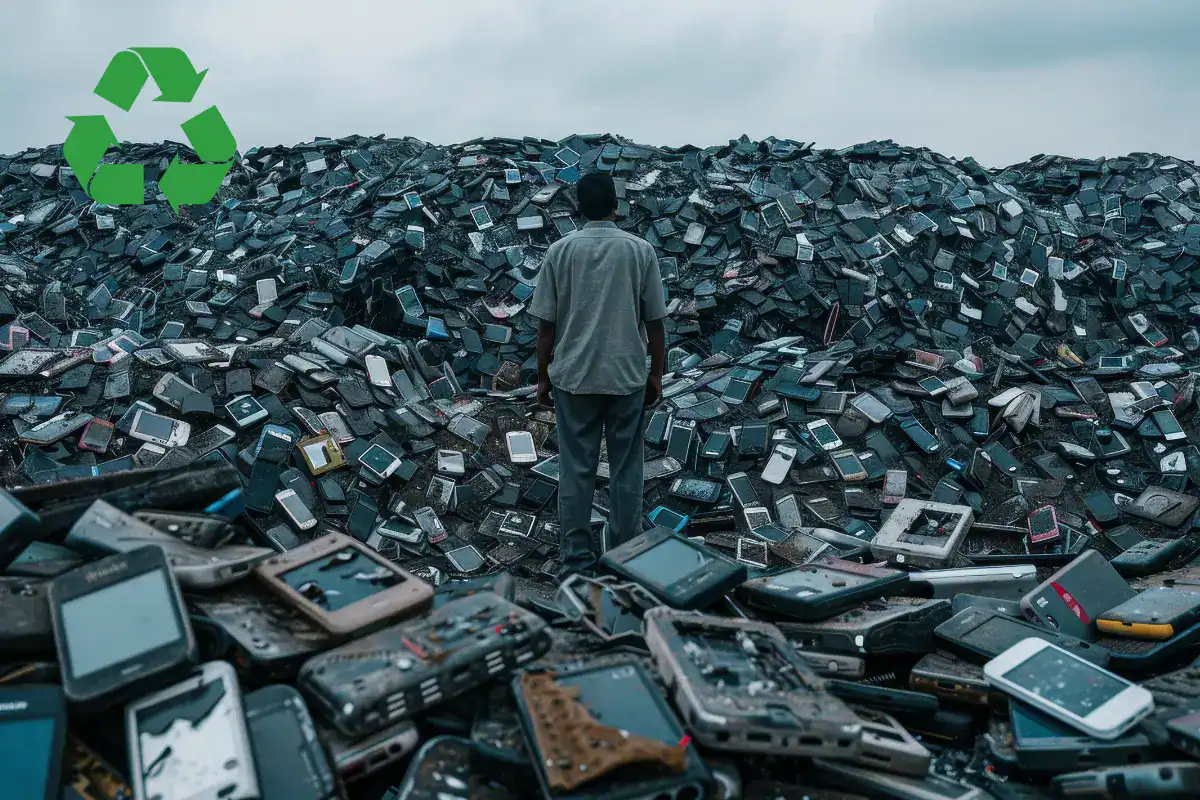
Recycle Old laptops and computers pile up in our homes and offices, gathering dust in closets and storage rooms. Many people don’t know what to do with these outdated devices. Simply throwing them in the trash harms our environment and wastes valuable resources.
Whether you have one old laptop or several, making the right recycling choice protects both your personal data and the planet. This guide will show you how to recycle old laptops properly and why it matters for our planet’s future.
The reason why you should recycle old laptops and computers.
Electronic gadgets contain toxic substances such as lead, mercury, and cadmium. These harmful materials leak into the soil and groundwater when devices end up in landfills. This type of pollution damages plants, harms animals, and eventually affects our food and water supply.
Old laptops also contain valuable metals, including gold, silver, copper, and platinum. These materials are present in circuit boards and internal components. Recycling allows these resources to be recovered and reused in new products. This process reduces the need for mining, which destroys natural habitats and consumes large amounts of energy.
Another important reason to recycle is the safety of data. You have your personal information, passwords, and financial records in your old computer. The e-waste recycling we offer that is carried out by professionals is done to ensure that all your data is destroyed prior to working on the hardware. This will guard against identity theft and fraud.
The statistics are an interesting tale. The global production of electronic waste is more than 50 million tons in a year. Only a small percentage of less than 20 percent is recycled. The remainder contaminates our environment in generations. When you decide to recycle the old laptop devices, you are part of the solution.
The process of recycling old Laptops.
Copy Your significant Information.
Put away all that you require before recycling. Move photos, documents and files to an external hard or cloud drive. Pull out each folder at a time. When you begin the recycling process, this information is irredeemable.
Make a list of significant items:
- Personal photos and videos
- Work documents and projects
- Browser relationships and passwords.
- Email archives and contacts
- Licenses and product keys of software.
- Music and media libraries
Take Off Personal Information.
Deleting files isn’t enough. Tools of data recovery will easily retrieve information that has been deleted. Your hard drive has to be wiped out. Wipe the disk with a data destruction program that overwrites the drive several times. A lot of free programs can cope with this task.
To employ an even greater level of security, take out the hard drive. You may smash it down with a hammer or puncture holes into it. This ensures that no one is able to get to know your information. In case you do not want to do this yourself, the services of professional recyclers to destroy data are provided
Remove Batteries and Accessories
Take out the laptop battery if possible. Batteries require special recycling processes separate from other computer components. They contain lithium and other chemicals that need careful handling.
Remove any accessories you want to keep:
- External mouse and keyboard
- USB drives and memory cards
- Power cables and chargers
- External webcams or speakers
- Laptop cases and bags
Find a Certified Recycling Partner
Look for certified electronics recyclers in your area. These professionals follow environmental standards and handle materials responsibly. A reliable recycling company in dubai will provide certificates proving proper disposal and can guide you through the entire process.
Check for certifications like R2 (Responsible Recycling) or e-Stewards. These standards ensure recyclers protect worker health, data security, and the environment. Avoid unlicensed collectors who might dump electronics illegally or export them to countries with poor recycling practices.
Disposing Laptop Computers that are old.
Take-Back Initiatives by Manufacturers.
There are recycling programs by many brands of laptops. Dell, HP, Apple and Lenovo will take old devices in any form. Others provide trade-in credits to new purchases. Go to the website of the manufacturer and locate the shipping address or place of drop.
Free shipping labels are frequently availed on these programs. Pack your used laptop and post it back. The company does all the rest such as data destruction and recycling. This is a good alternative when you are purchasing a new product of the same brand.
Collection Points Retail Stores.
Electronics dealers usually recycle old computers. There are drop-bins outside the entrance of Best Buy, Staples etc. You just carry your gadget to work and leave it in the office.
There are shops where some are charged little fees on some products, though most of them do not charge laptops. Make calls to verify with them on their current policies. The option is excellent when you are already on the shopping spree in relation to electronics or office supplies.
Local Recycling Centers
There are municipality recycling centres where electronics are collected on certain days. Get the schedule with your local waste management department. They will inform you of what they take and what preparation is necessary.
Mostly, community recycling events occur at least once a few times a year. These are single day collections which take in all kind of electronics. Keep an eye on the local newspapers or government websites. The events typically take place on weekends as it is the most convenient.
Specialized E-Waste Recyclers.
There are certain e-waste recycling firms that are professional in business. They collect huge amounts of goods in businesses or take drop-offs. These services ensure that your services are duly processed and documented to you.
In the case of a company that retires several computers, it will be logical to recycle them in bulk. Businesses set collection appointments and do all that in a professional manner. They present the reports in details of how materials were processed and recycled. This is a record that assists businesses in fulfilling environmental compliance.
How to recycle The old laptops Dubai
Dubai does not disregard electronic waste. The emirate has set up elaborate initiatives to manage the increased amount of disposed electronics. When you know local options, you will know how to dispose of your old computers responsibly.
The Dubai Municipality has collection centers in the city. These centers accept computers, laptops, and other electronics among the residents. They can use and work at convenient times. Employees are able to respond to queries as regards to what they take.
Home pick-up of bigger quantities is available with the services of private collection. This is a time-saving feature in case you are clearing an office or when you need to clean more than one device. A reputable recycling facility in dubai will organize a collection, do all the lifting and give adequate documentation.
Collection bins are available in many shopping malls small electronic collection bins. Although these usually deal with phones and tablets, others include laptops. Ask mall management or find well marked collection points towards entrances.
Collection drives are sometimes held in schools and community organizations. These events make recycling services in neighborhoods come to them. They are a great way to get rid of used electronics and contribute to the local cause.
What Is done during the recycling process.
This knowledge of the recycling process will make you realize why it is important. Once you recycle your used laptop in dubai, it starts having an interesting transformation.
Sorting and Assessment
The first stage involves organizing devices based on type and condition by workers. There are laptops that may be refurbished. These are tested and repaired and then sold to other students, nonprofits or low-income shoppers. Out of repair devices are sent to the recycling line.
Data Destruction
Hard drives are destroyed by professional facilities with the use of industrial shredders or degaussers. This ensures a zero data loss. You are provided with certificates of the date and method of destruction. Such documentation defends you in court and provides peace of mind.
Disassembly
The technicians dismantle laptops to make separate parts. Screens, key boards, mother boards and batteries are divided into streams. This manual system takes skill and understanding of the different models of the laptops. Maximization of recovery of materials is achieved through proper dismantling.
Material Separation
Different materials are isolated using special machinery. Ferrous metals are drawn out through magnets. Shredders cut pieces in smaller sizes. Greater sorting technology distinguishes various plastics and metals. This is an advanced operation that can retrieve up to 95 percent of materials in certain facilities.
Processing and Refinement
The materials recovered are taken to the processing plants. The metals are melted and refined to use in the production of new products. Plaques are converted into new cases and parts. Screens glass is even recycled into new display or other glass products.
Benefits of Choosing Professional E-Waste Recycling
Professional recycling offers advantages beyond environmental protection. You gain certainty that your device won’t end up polluting a distant landfill. Certified recyclers follow strict protocols ensuring responsible handling.
Data security reaches its highest level with professional services. They use military-grade destruction methods and provide detailed documentation. This protection is crucial for businesses handling sensitive customer information or complying with privacy regulations.
Supporting professional recyclers creates jobs in your community. The recycling industry employs thousands of workers in collection, processing, and administrative roles. Your choice to recycle responsibly supports these local employment opportunities.
Many recyclers invest profits into community programs. They educate schools about environmental responsibility and sponsor cleanup events. By using their services, you indirectly support these positive community initiatives.
Tips for Extending Your Laptop’s Life Before Recycling
Before rushing to recycle, consider whether your laptop truly needs replacement. Many devices work fine with simple upgrades or maintenance. Extending your laptop’s life is even better for the environment than recycling.
Upgrade Components
Adding more RAM memory often dramatically improves performance. Replacing a traditional hard drive with a solid-state drive (SSD) makes old laptops feel new again. These upgrades cost less than new computers and can add years of useful life.
Check online tutorials for your specific laptop model. Many upgrades are surprisingly simple, requiring only a screwdriver and patience. Computer repair shops can handle upgrades if you’re not comfortable doing it yourself.
Clean and Maintain
Dust buildup causes overheating and slowdowns. Open your laptop (carefully) and use compressed air to blow out accumulated dust. Clean the keyboard and screen regularly. These simple maintenance tasks keep laptops running smoothly longer.
Software maintenance matters too. Uninstall programs you don’t use. Run disk cleanup utilities to remove temporary files. Update your operating system and security software. These digital housekeeping tasks improve performance significantly.
Donate or Sell Working Devices
If your laptop works but you want something newer, consider donating it. Schools, libraries, and nonprofits always need computers. Your old laptop could help a student complete homework or an adult learn new skills.
Online marketplaces let you sell functional laptops. Even older models find buyers looking for budget options. The money you earn offsets the cost of your new device, and the laptop continues serving a useful purpose.
Common Mistakes to Avoid When Recycling Electronics
Don’t Throw Electronics in Regular Trash
Regular trash collection can’t handle electronics safely. Garbage trucks crush and compact waste, breaking devices and releasing toxic materials. These chemicals contaminate everything else in the truck. Always use proper recycling channels.
Don’t Leave Devices Outdoors
Some people leave old electronics on curbs hoping someone will take them. This creates hazards and eyesores. Rain and weather damage devices, making them harder to recycle. Components scatter and pollute. Always deliver electronics to proper collection points.
Don’t Skip Data Deletion
Never assume recyclers will handle data deletion. While reputable services do destroy data, mistakes happen. Protect yourself by wiping your drive before handing it over. This simple step prevents potential identity theft and privacy breaches.
Don’t Rush the Process
Take time to remove everything you need from your laptop. Check all folders, including hidden system folders. Look for saved passwords in browsers. Download software you’ve purchased. Rushing leads to lost photos, documents, and other irreplaceable items.
Don’t Mix Components
Keep laptop batteries separate from the main device. Some recycling programs won’t accept mixed items. Following instructions ensures smooth processing and prevents your device from being rejected at collection points.
Final Thought
Technology continues improving recycling processes. New methods recover more materials more efficiently. Automated disassembly robots are being developed to speed up processing while maintaining safety. These innovations will make recycling more effective and economical.
Manufacturers are designing products with recycling in mind. Modular laptops allow easy component replacement and separation. Some companies use recycled materials in new devices, closing the loop completely. These circular economy principles will become standard practice.
Legislation worldwide is strengthening e-waste recycling requirements. Many countries now require manufacturers to take responsibility for product end-of-life. These laws drive investment in recycling infrastructure and innovation. The result will be better recycling access for everyone.
Consumer awareness continues growing. More people understand the importance of proper electronics disposal. This cultural shift creates demand for convenient recycling options. Companies and governments respond by expanding services and making participation easier.
Frequently Asked Questions (FAQs)
1. What is the reason why I should recycle used laptops and computers?
Recycling is environmental friendly, avoids pollution and data disposal is safe.
2. What should I do to recycle used laptops?
copy your data, delete personal information and select a licensed recycler.
3. Is the recycling of laptops within Dubai legal?
Yes, but it has to be done by the authorized recycling companies.
4. In the recycling process, what is done to my information?
All the stored data is destroyed or wiped with security by professional recyclers.
5. Is it possible to recycle broken laptops?
And, again, even idle laptops do have something to recycle.