
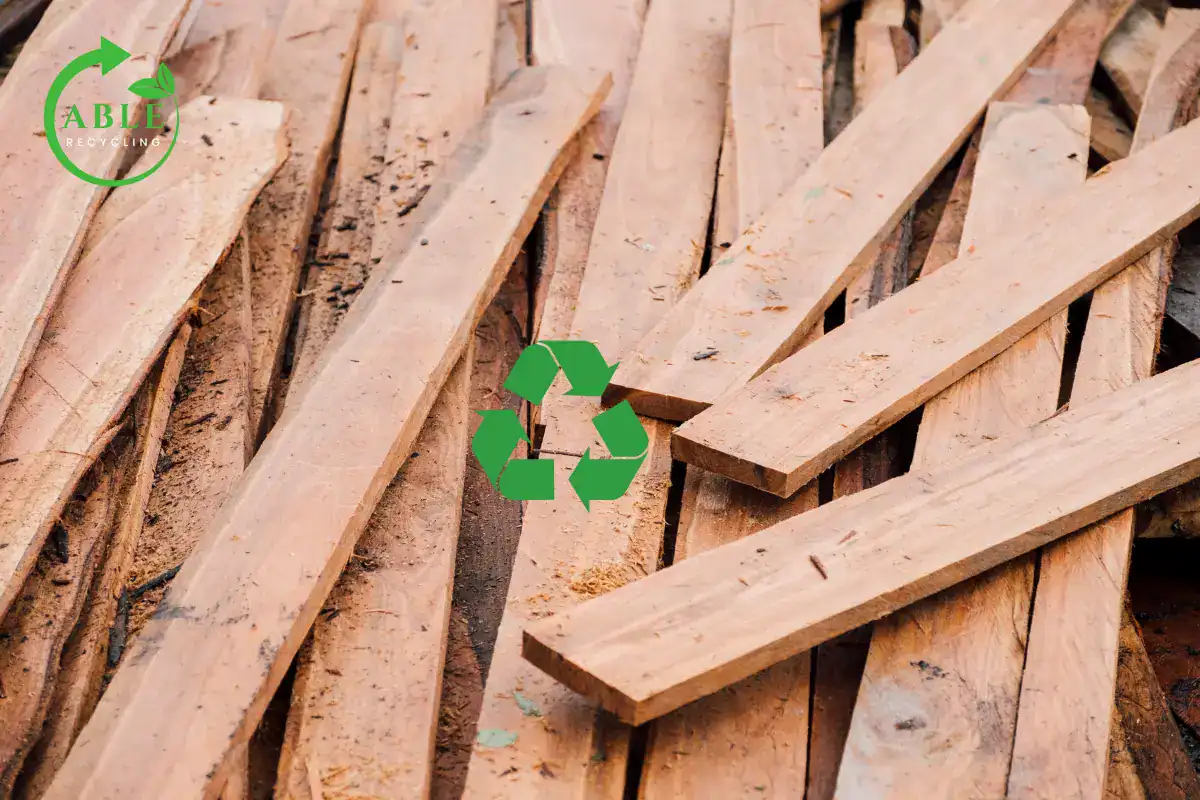
Wood recycling is emerging as a very necessary activity by the companies and household owners who are interested in minimizing the environmental impact as well as saving funds. Recycling helps to convert the old wood materials instead of taking them to the landfills. The guide will assist you to learn all about the wood recycling including the fundamentals as well as locate the appropriate services in your community.
What is Wood Recycling?
Wood recycling involves reusing and reworking of the old, or waste wood, to useful products. When you recycle wood, you are giving a second life to materials, which would have occupied landfills. This is done by gathering, sorting, washing, and converting the wood waste to other products such as mulch, particleboard, animal bedding, or even fuel.
Many people do not realize that wood can be recycled multiple times before it becomes unusable. Recycling facilities can repurpose old furniture, wooden pallets, and construction waste in a safe and effective way.
Why Wood Recycling Matters
Instead, each year, millions of tons of wood end up in landfills, occupying valuable land and releasing harmful gases during the decomposition process. By choosing to recycle wood, you actively contribute to environmental protection in several meaningful ways.
Wood recycling helps reduce the need to cut down new trees that would otherwise be used for manufacturing. As a result, forests are preserved, and natural wildlife habitats remain protected. It is also energy-efficient, as recycled wood requires significantly less energy to process compared to producing new wood products. In addition, wood recycling creates job opportunities within the recycling sector and supports the local economy.
For businesses, wood recycling can lead to substantial savings in waste disposal costs. Many service providers offer competitive rates, making it a cost-effective and sustainable solution. Working with a trusted recycling company in dubai allows businesses to manage wood waste responsibly while meeting environmental goals and reducing overall expenses.
Woods that may be re-used.
Untreated Wood
Wood is the simplest to recycle and it is clean and untreated. This involves the use of unpainted, unstained, untreated natural wood. They would include wooden shipping crates, clean pallets, sawdust, and wood chips that have been manufactured. These materials prove highly valuable in recycling because they can be transformed into various products with minimal processing.
Construction Wood Recycling
Recycling construction wood plays a crucial role in managing waste on construction sites. During building demolition or renovation, workers generate large quantities of wood materials ready for recycling. These materials include dimensional lumber, plywood, oriented strand board, and wooden beams.
Woods that are used in construction are recycled but this should be done carefully to ensure that the treated and untreated wood are separated. Most construction firms today engage in contracting recycling firms to manage their wood waste effectively. Not only does this save materials on landfills but it usually saves on costs as opposed to conventional disposal methods.
Treated Wood Recycling
Recycling treated wood presents unique challenges because manufacturers use chemicals to prevent rot, insects, or fire. Common examples include pressure-treated lumber, railroad ties, and utility poles. Unlike untreated wood, recyclers cannot process these materials in the same way because the chemicals they contain can be hazardous.
Nevertheless, specialized facilities can recycle treated wood because they use proper machinery to handle these materials safely and prevent injuries. These facilities can refine the wood into fuel for industrial use or burn it in a controlled environment. You should never burn treated wood yourself, as it releases harmful chemicals into the air.
How to Recycle Wood Pallets
The most frequently recycled wood products are wooden pallets. When it comes to the question of how to recycle wood pallets, then you have a number of choices that are based on the state of the pallets.
In case of good-condition pallets, then reuse them by yourself on DIY projects such as furniture, garden planters, or storage solutions. Numerous artists have turned old pallets into useful and artistic objects. Unless these are necessary, then local businesses or community gardens could be interested in free pallets in their work.
When teaching how to recycle the damaged or broken wood pallets, call the local recycling centers that take up wood. There are also facilities which focus on the recycling of pallets and will recycle them into mulch or wood chips. Pallet repair companies can check as well, they usually purchase damaged pallets and extract useful pieces.
Recycling of wood in my area.
The first step in getting convenient recycling is to search for wood recycling near me. There are facilities that receive wood waste in most of the cities and services and materials accepted depend on the location.
Begin by approaching your local waste management body or town. In most localities, there are special days of collection of bulky goods such as wood. Another way to do it is to check online directories or call to local recycling centers to inquire about their policy on accepting wood.
When searching wood recycling near me, one should take into consideration the following items: the types of woods they recycle, are there any fees, their working hours and whether they can pick large amounts of wood. There are those facilities that receive all types of wood and others that receive untreated materials only.
You can find a reputable recycling company in Dubai or your own locality to offer comprehensive services, i.e. collection, sorting and correct processing of the different types of wood. Commercial recycling firms are usually equipped and experienced in managing residential and commercial wood waste materials.
The Wood Recycling Process
Understanding the wood recycling process helps you prepare your materials correctly. Recyclers begin by collecting and transporting the wood to a green waste recycling facility. At the plant, trained workers sort the wood and separate treated from untreated materials.
Recyclers first clean the wood by removing nails, screws, and other metal attachments. They then use industrial grinders and chippers to break large pieces into smaller ones. The resulting wood chips or sawdust can be converted into various products, depending on the wood’s quality and intended use.
Recyclers use clean wood chips to make landscaping mulch, animal bedding, or particleboard. They usually convert low-grade material into biomass fuel. Throughout the process, quality controls ensure that recycled products meet safety and performance standards.
Benefits of Using a Wood Waste Recycling Center
A wood waste recycling center provides professional services that ensure your wood is processed correctly and responsibly. These centers have specialized equipment to handle large volumes and various wood types efficiently.
Using a wood waste recycling center saves you time and effort compared to disposing of wood yourself. Many centers offer convenient drop-off locations and some provide pickup services for businesses or large residential projects. This makes wood recycling accessible even for those with substantial amounts of waste.
Professional recycling centers follow strict environmental standards and maintain proper documentation. This practice is especially important for businesses that must prove compliance with waste management regulations. Using certified facilities ensures that your wood waste is managed according to environmental best practices, giving you peace of mind.
Furniture Recycling and Wood Recovery
Furniture Recycling represents a significant opportunity for wood recovery. Old tables, chairs, cabinets, and other wooden furniture items contain valuable materials that can be reclaimed and reused. Rather than throwing away outdated furniture, consider recycling options that give these pieces new life.
Many organizations specialize in Furniture Recycling, accepting items that can be refurbished and donated to those in need. For furniture beyond repair, the wood components can be dismantled and sent to recycling facilities. Solid wood furniture is particularly valuable because it contains high-quality materials suitable for various recycling applications.
Preparing Wood for Recycling
Proper preparation makes the recycling process more efficient and may help you avoid additional fees. Start by removing all non-wood materials like fabric, glass, metal hardware, and plastic components. While recycling facilities have equipment to remove fasteners, pre-removing them saves time and improves recycling quality.
Sort your wood by type if possible. Keep painted or treated wood separate from clean, untreated materials. This helps recyclers process materials appropriately and prevents contamination. If you have large pieces, consider breaking them down to manageable sizes, though many facilities can handle bulky items.
Store wood in a dry location until you’re ready to transport it to the recycling center. Wet wood is heavier to transport and may develop mold, which can complicate recycling. Keep your wood pile organized to make loading and unloading easier.
Business Wood Recycling Solutions.
Construction companies, furniture manufacturers, and warehouses that produce wood waste regularly often seek to form recycling alliances. Many recycling organizations offer businesses fixed pick-ups, containers, and customized waste management systems.
Businesses can recycle wood to achieve sustainability goals while potentially reducing disposal costs. For high-value materials, some companies even earn profit from their wood waste. Partnering with recycling professionals ensures compliance with environmental laws and demonstrates the company’s commitment to responsibility.
The Impact of Recycles of Wood on the environment.
Wood recycling is not only good on the environment in regard to waste reduction. A ton of recycled wood will conserve about three cubic yards of landfill. It also lowers the amount of green house gas since when the wood is decomposed in landfills, it results in the production of methane, which is a powerful green house gas.
Recycling of wood saves the natural resources as there is less requirement of virgin timber. This will conserve forests which form carbon sinks, homes to wildlife and clean water and air. Recycling saves energy compared to the production of new wood products and this also lowers our carbon footprint.
When you decide to recycle wood, you are engaging in a circular economy where resources go through the cycle of use instead of having a linear route of the production cycle to the disposal cycle. This green strategy is beneficial to the present and future generations.
Typical problems with the recycling of wood.
Although recycling of wood has a lot of advantages, there are a few challenges. Painting, varnishing, or adding chemical treatments will reduce the possibility of recycling. Composite materials such as wood with metal or plastic inserts in it take additional time and cost to process.
Recycled wood products may not always be in demand in the market which influences the economic sustainability of the recycling programs. In certain areas, the cost of transportation of large wood waste with low density is not recycling as costly as disposal does.
Nevertheless, the wood recycling business has continued to expand and develop. The new technologies enhance the effectiveness of the processing and the growth of the environmental consciousness preconditions the growth of recycled wood products demand. Recycling wood will also contribute to these markets by enhancing the markets, and eliminating the challenges currently faced.
Frequently Asked Questions
1. What is wood recycling?
Wood recycling is the process of collecting and reprocessing waste wood into reusable materials instead of sending it to landfills.
2. Can treated wood be recycled?
Yes, treated wood can be recycled, but it must be handled by specialized facilities that follow safety and environmental regulations.
3. How do I recycle wood pallets?
You can reuse, repair, or send them to certified recyclers who specialize in pallet recycling and reuse.
4. Why is furniture recycling important?
Recycling wooden furniture reduces waste, conserves resources, and supports sustainable manufacturing.
5. Where can I find a wood recycling center?
You can search online for local recycling centers or work with licensed recycling companies that handle wood waste responsibly.
Conclusion
Wood recycling is a practical and impactful way to reduce waste, conserve resources, and support environmental sustainability. Whether you’re managing construction debris, handling furniture recycling, or dealing with broken pallets, reliable recycling options are available to manage wood waste responsibly. By understanding the types of wood that can be recycled, finding local services, and preparing materials properly, you help make the recycling process smooth and effective. Every piece of wood you recycle contributes to a healthier planet and a more sustainable future.